

1




ŽIGA’S BLOG
What does it mean to be low-carb, not no-carb?
When you say you’re on a low-carb diet, it often happens that someone immediately rolls their eyes and says:
“So… no more bread? You’re giving up fruit now? But carbs are our basic fuel!”
No, no, and once again – no.
Low-carb does not mean no-carb. It doesn’t mean an extreme diet with no fruit, no fiber, and no energy.
It means using carbohydrates consciously, at times when your body actually needs them – not every two hours with a coffee and a cookie.
Low-carb (low carbohydrate intake) means:
This is the key question – and the answer might completely change the way you look at food:
Carbs are not the enemy. They’re a tool. And every tool has its proper moment.
When does your body actually call for carbs?
In these situations, your body will:
In that context – you don’t need to fear a glucose spike. Because your body knows what to do with them.
At those times, carbs do more harm than good.
Because your muscles don’t need them, your body will:
Professional athletes do this all the time. And so can you.
This way you can:
I (Žiga) have been on a low-carb with purpose routine for years.
My body is thankful – I feel stable, without extremes. And the best part?
When I know I’m heading for a 3-hour trail run, I can eat a dried banana or a bit of oats without guilt – because my body knows exactly what to do with them in that moment.
The biggest myth today is that we need to constantly “snack” on something.
When we learn to use carbs as a tool, not as comfort, we do the best we can for our health – and our blood sugar.
It’s not about extremes. It’s about smarts.
It’s not about giving up. It’s about timing.
It’s not about fearing carbs. It’s about knowing when your body truly needs them.
About the Author
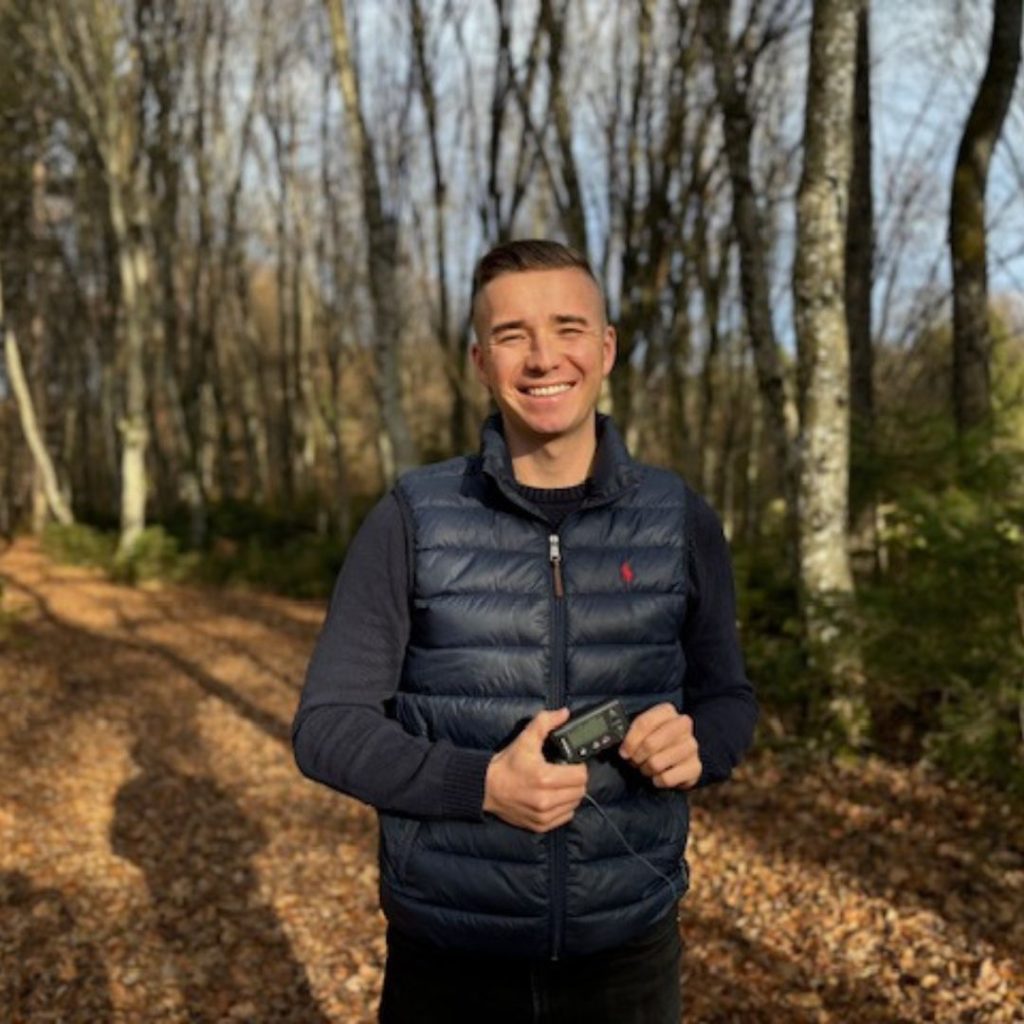
Žiga Papež is an ultra-endurance athlete and a type 1 diabetic. He is the founder of Sladek Lajf, the largest diabetes platform in Slovenia. Through this platform, he raises awareness about diabetes, healthy nutrition, and a quality lifestyle, while actively fighting against excessive sugar consumption and obesity.
Through educational content and personal experience, he helps people understand the impact of food on the body, how to regulate blood sugar, and how to improve overall well-being and fitness with the right approach. His mission is to show that with knowledge and smart choices, we can overcome limitations and live a healthy, active, and higher-quality life.


You must be logged in to post a comment.