

1



Katja’s blog
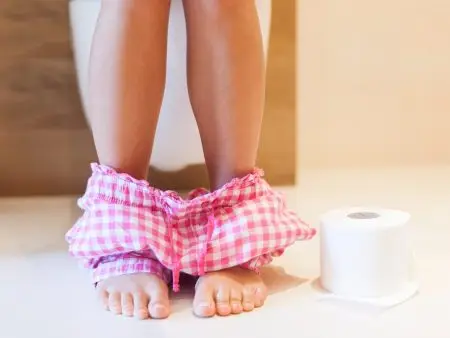
One of the possible short-term side effects of the LCHF/KETO diet is constipation. Read more about why this happens and how to help yourself in this blog.
What causes constipation?
The most common reasons for constipation when starting a LCHF/KETO diet are:
Every change in diet, habits, environment… has an impact on our metabolism. It can slow it down or speed it up. The transition to a LCHF/KETO diet is a big step for our intestinal microflora and it can take some time for the intestinal bacteria to adapt to a new way of eating. Since the intake of carbohydrates and sugar is low, the bacteria also have to adapt to a higher proportion of fat. This takes some time and constipation may occur in between.
In addition, the LCHF/KETO diet is characterized by more stable blood sugar and the need for less insulin. The result is less retention of water and water-bound electrolytes. And what happens next? The peristalsis of the intestine slows down, which is felt as constipation.
What role do electrolytes play here?
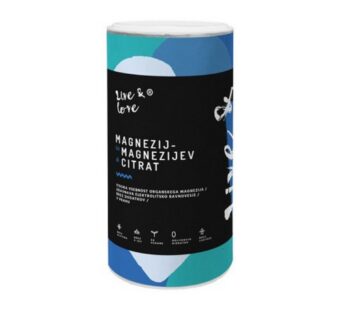
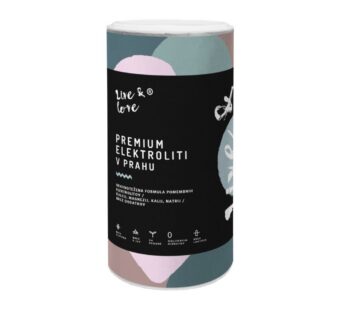
The main and very important role is played by sodium and magnesium. Both speed up peristalsis of the intestines. However, we know that electrolytes are washed out faster with this type of diet, as the body no longer retains as much water as with a classic diet rich in carbohydrates. So a deficiency of key electrolytes can occur. Read more about the function of electrolytes in the LCHF/KETO diet in the blog post »The importance of electrolytes in the LCHF/KETO diet”.
Since in the LCHF/KETO diet we eliminate all starchy foods and foods with a high fiber value (cereals, fruits, etc.), it can happen that the intestinal bacteria that feed on prebiotics (fibers, resistant starch…) are left without food. The natural balance between good and bad bacteria can be disrupted and the intestinal microflora loses its strength. Of course, this is also known in digestion.
How to act?
A healthy gut flora is not only important in the LCHF/KETO diet, but in general. It affects the entire organism and the general resistance of the immune system. That’s why we have to make sure that our bacteria in the intestines will feel good and that they will diligently take care of our digestion.
What should we do if we suffer from painful constipation?
Constipation or just fewer visits to the toilet? What does “Less junk in, less junk out” mean?
The classic diet, which is full of sugars, carbohydrates and starches and, likely, highly processed products, which we call “junk”, also has more waste, as the body throws away all unnecessary things that it cannot use. When we start consuming LCHF/KETO nutrition, which is based on unprocessed foods and high-quality raw materials, it happens that there is much less of this waste (“junk”). So there are also much fewer visits to the toilet after a certain time. This should not be confused with constipation. It may happen that our daily routine of defecation and visits to the toilet changes, which is not necessarily the result of constipation, but simply that we consume a higher quality selection of foods, which also means better use of nutrients and less waste.
Constipation can occur as a short-term phenomenon for the reasons listed above. But if we pay attention to the intake of food, electrolytes and take care of good hydration and limit the intake of caffeine and alcohol, this will not happen at all or will pass very quickly. It is essential to give the body time to adapt well to the changed diet and not to give up after the first week or two.
27.01.2022, Katja, LCHF Style


You must be logged in to post a comment.